
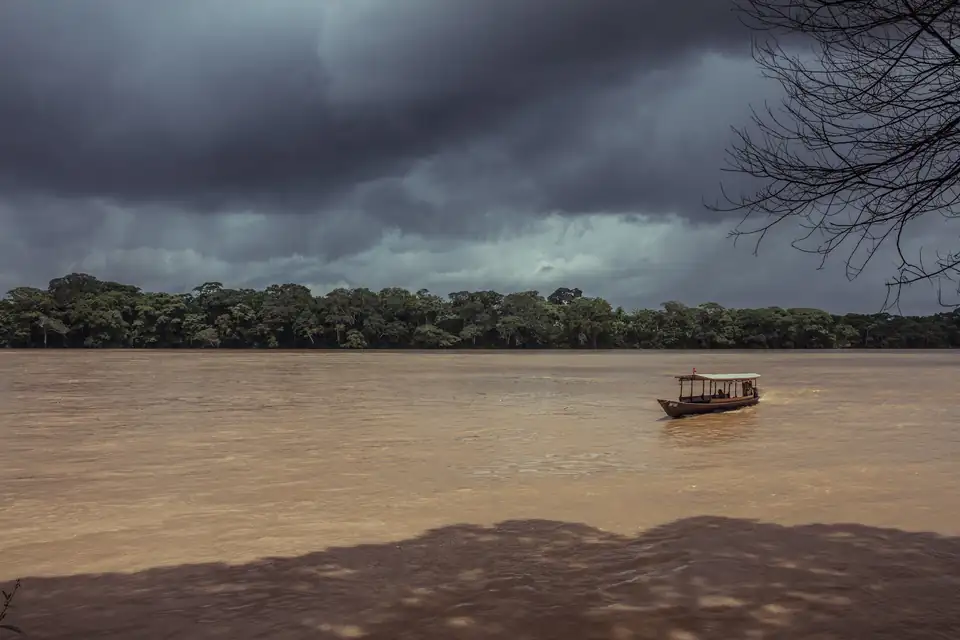
Gold mining and water contamination
Alluvial mining leaves degraded areas and contaminated water bodies, creating one of the region’s most urgent restoration challenges.
Tambopata · Madre de Dios
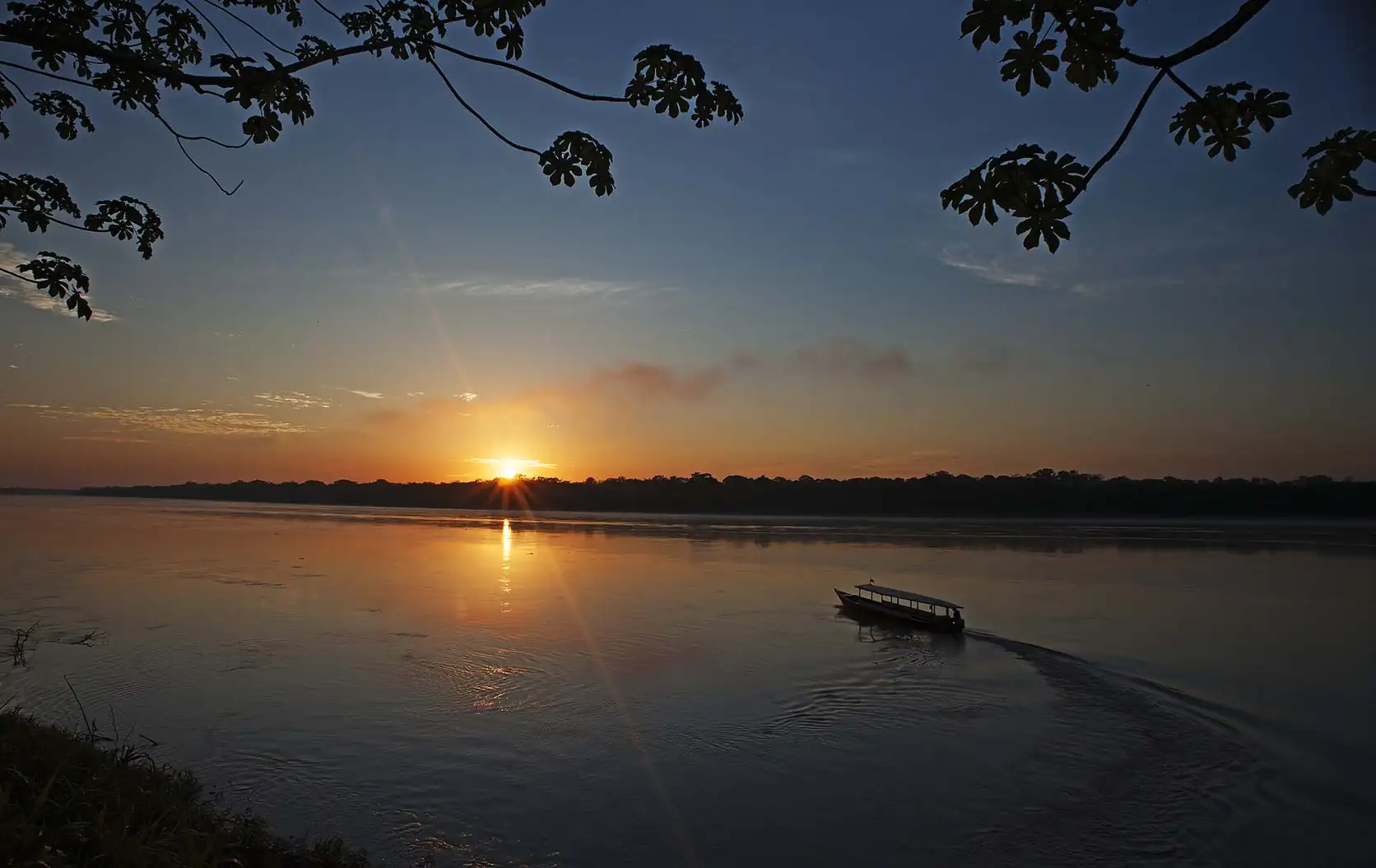
Where ITA’s field research began in 1978. Today, this landscape brings together long-term research, conservation, learning and sustainable use.
About the landscape
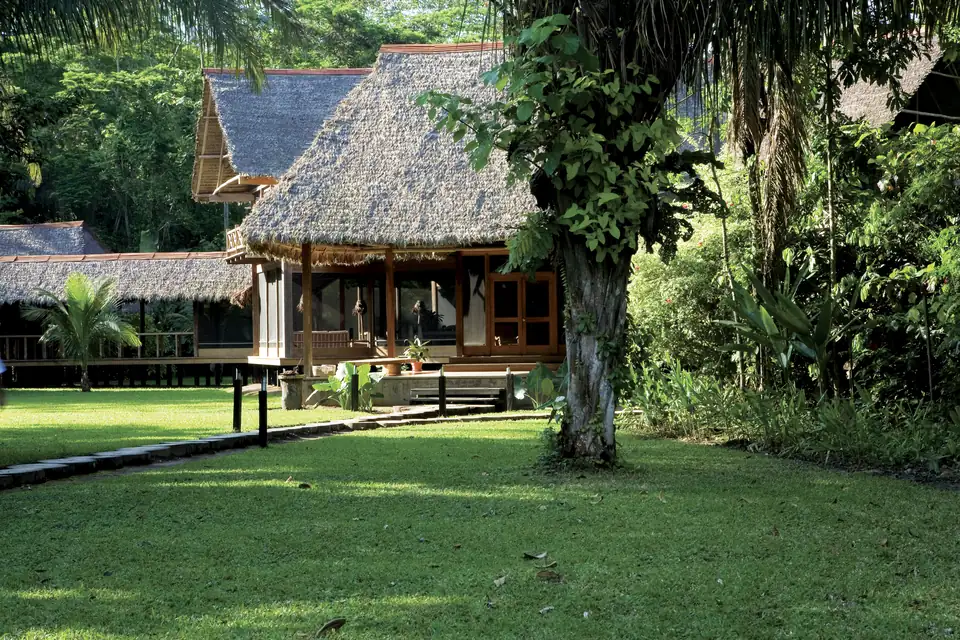
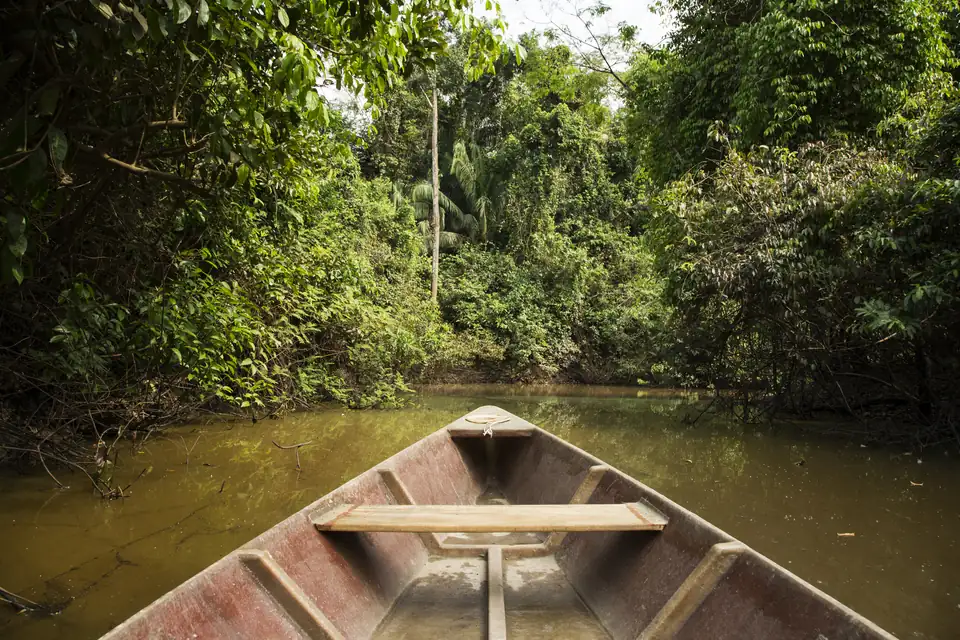
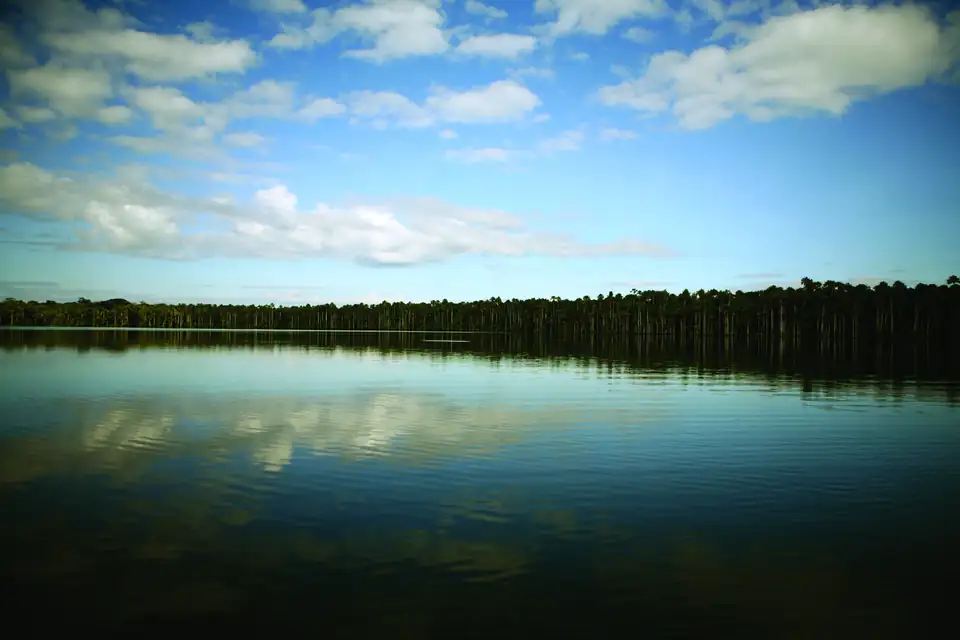
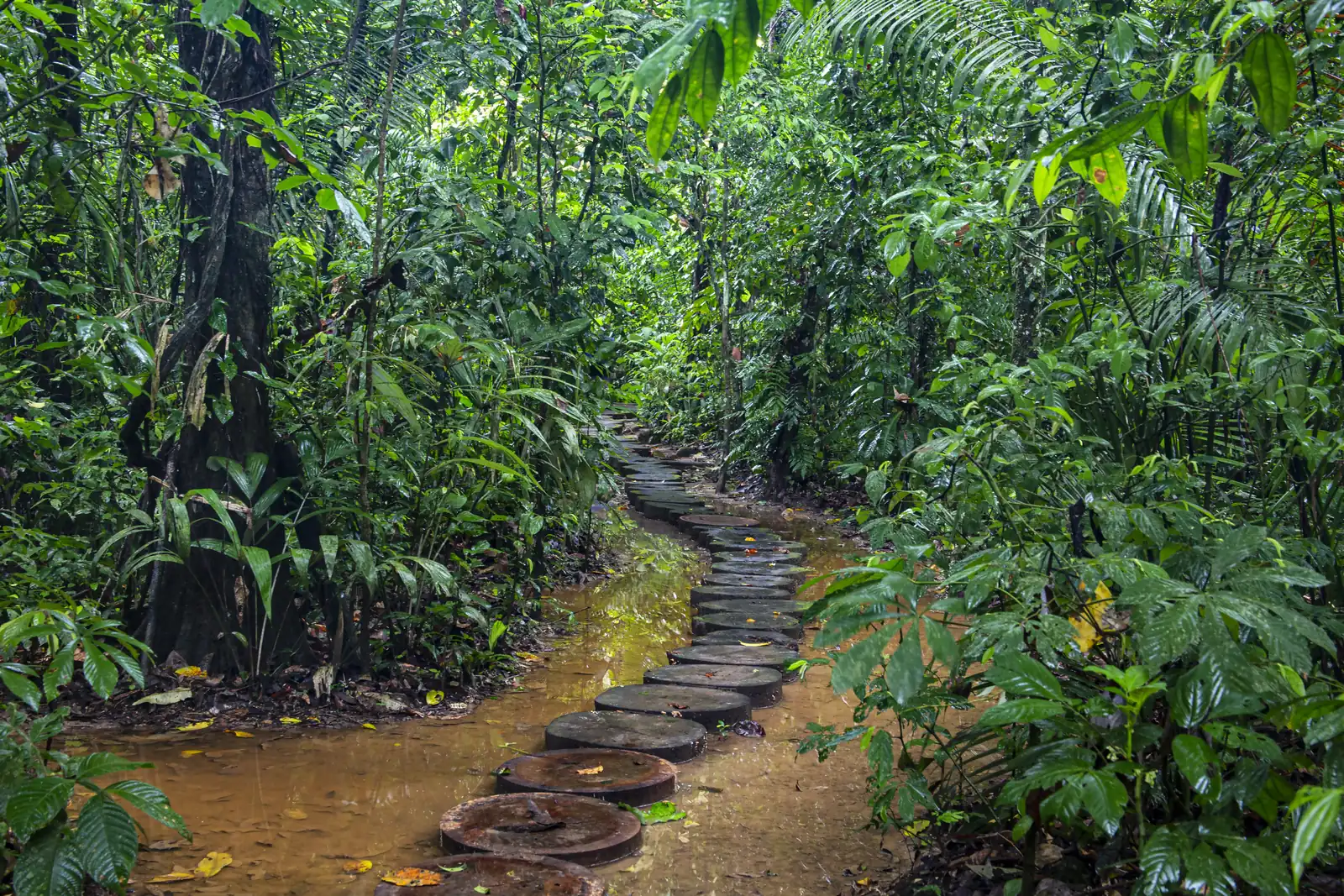
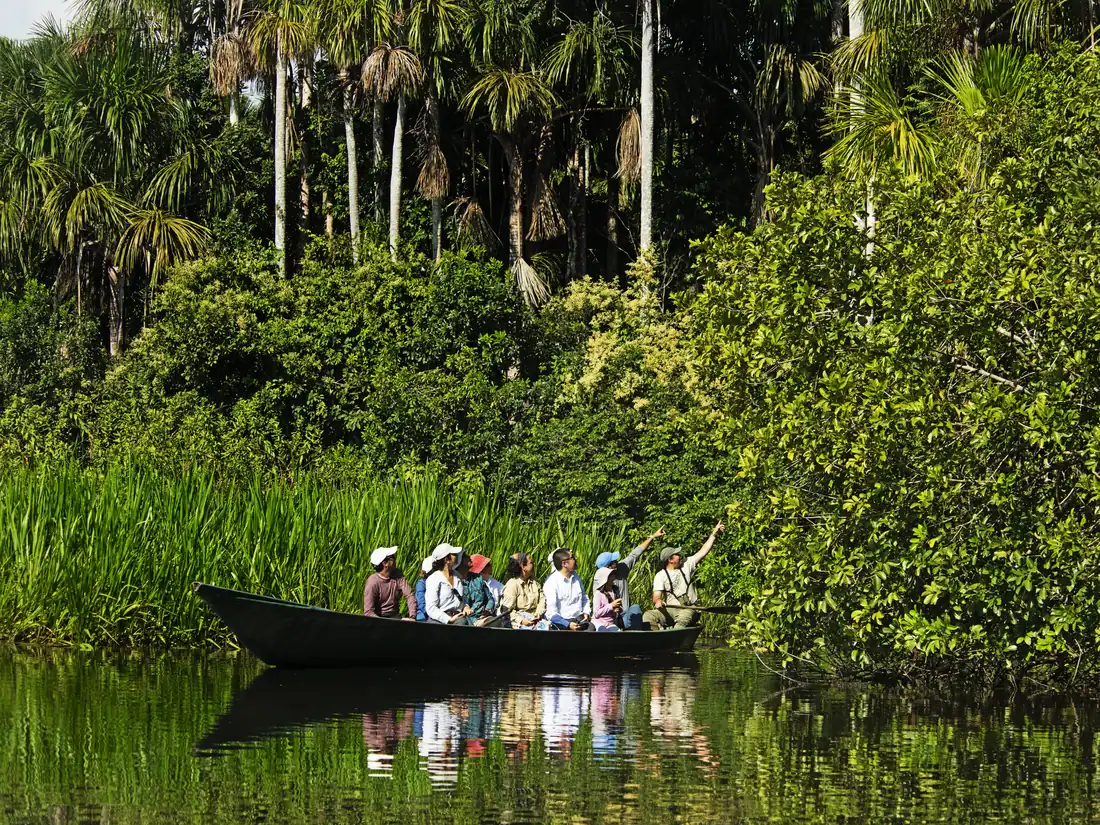
The Lower Madre de Dios is a mosaic of lowland rainforest, rivers, oxbow lakes, Brazil nut forests and palm swamps. It is where ITA’s long-term field research began and where research, conservation, sustainable production and learning continue to intersect across the landscape.
Key challenges
Madre de Dios faces increasing pressure from deforestation, mining, habitat fragmentation and changes in land use. These forces affect biodiversity, water systems and the communities that depend on the forest.
Alluvial mining leaves degraded areas and contaminated water bodies, creating one of the region’s most urgent restoration challenges.
Forest conversion and extractive activities reduce habitat and alter the ecological processes that sustain wildlife.
As forest areas become disconnected, species lose access to larger territories, food sources and movement corridors.
Changes in land use and livelihoods can weaken the transmission of local knowledge linked to plants, food, forest management and sustainable use.
Where we work here
ITA’s work in Madre de Dios extends beyond a single station or property. Research, conservation, restoration and sustainable production connect multiple sites across the landscape.
Schematic map, not to scale.
Research, conservation and learning
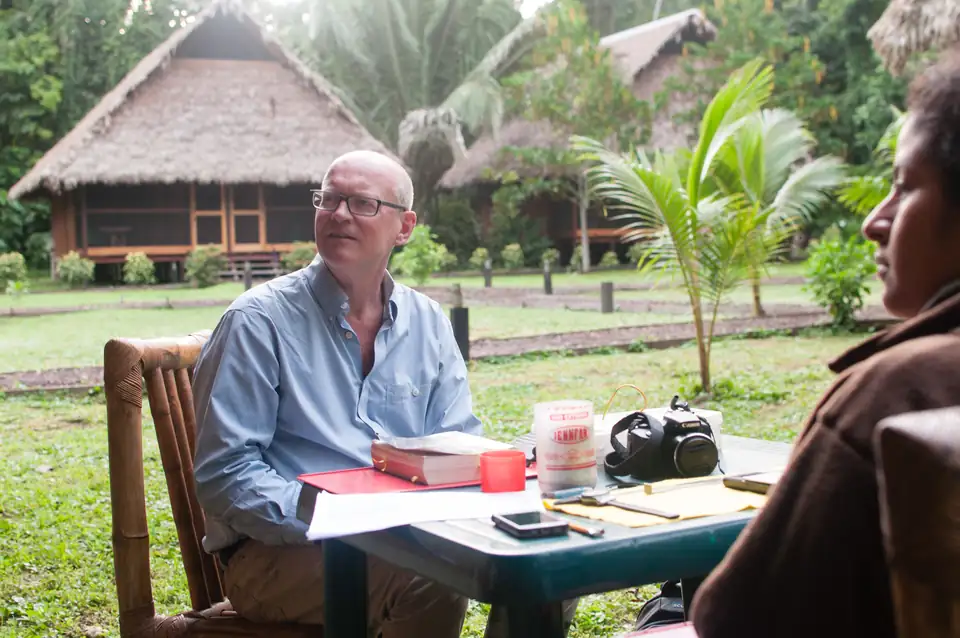
A field station that connects GreenLab, long-term monitoring, living collections, training and field research within the Amazon landscape. It welcomes researchers, students and travelers into an environment where conservation is part of the everyday experience.
Projects & initiatives
Across Madre de Dios, ITA connects long-term research, field monitoring, living collections, restoration and sustainable production.
Research
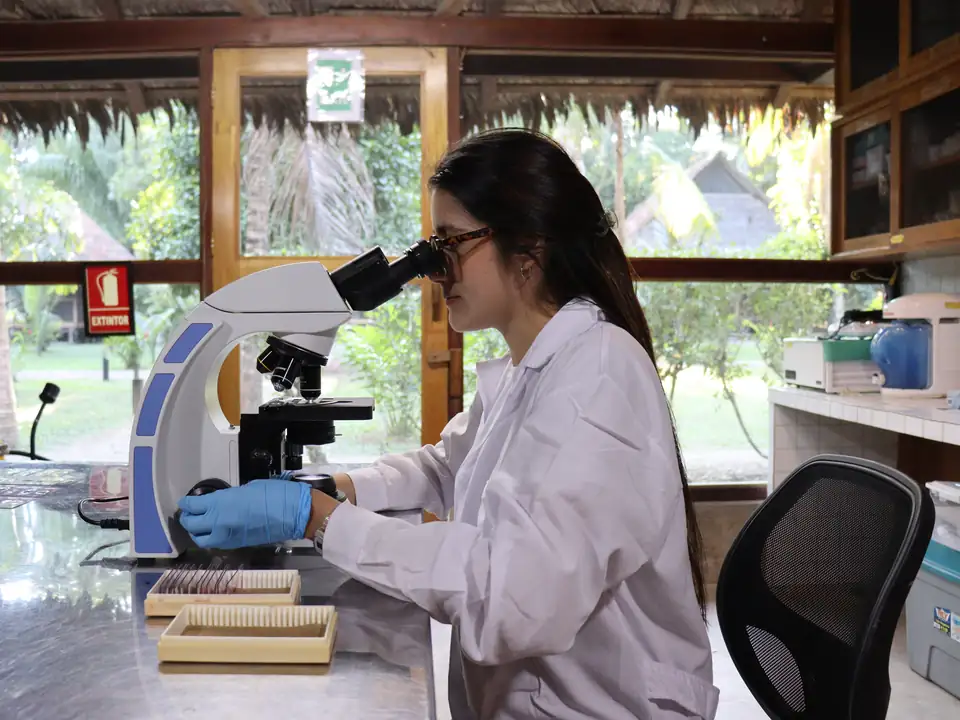
Molecular biology and microbiology in the Amazon, allowing samples to be processed close to where they are collected.
GreenLab brings scientific capacity into the Amazon itself. Its work includes DNA extraction, sequencing, DNA barcoding, microbiology and research on microorganisms from different environments.
Research · Conservation
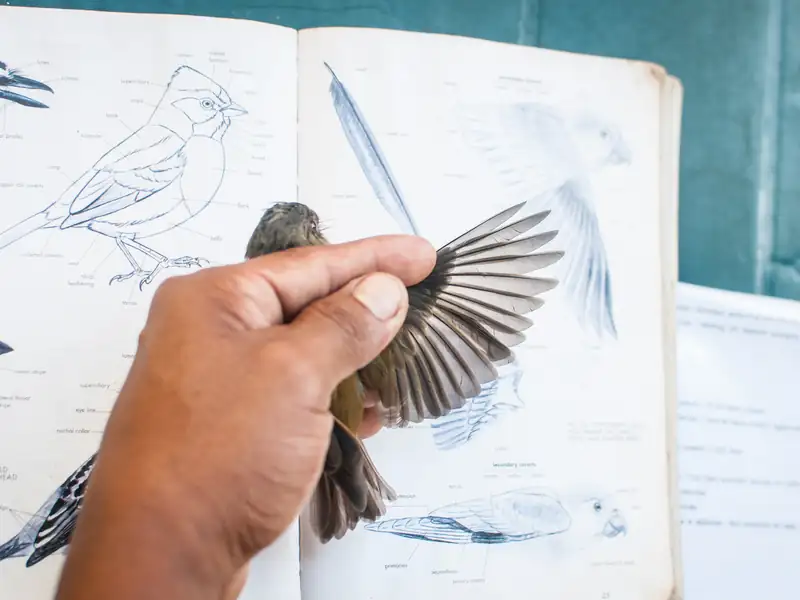
Long-term bird monitoring through banding, point counts and acoustic recording.
Bird banding allows researchers to learn about survival, site fidelity, movement and territory. Point counts and acoustic monitoring extend this work across different parts of the landscape.
Research · Conservation
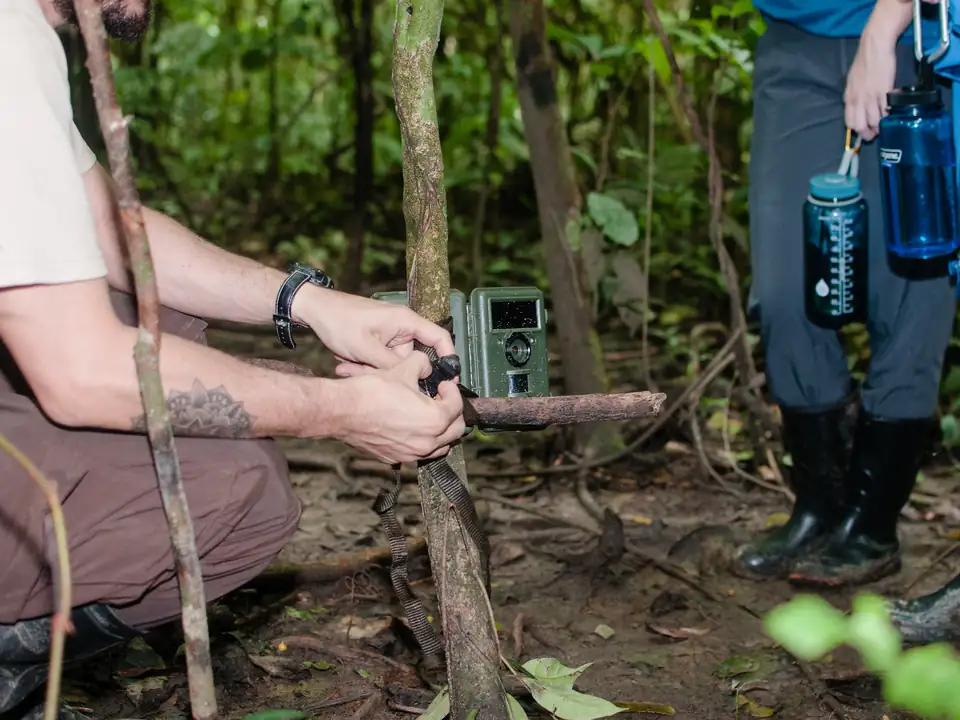
Understanding how wildlife uses the forest over time.
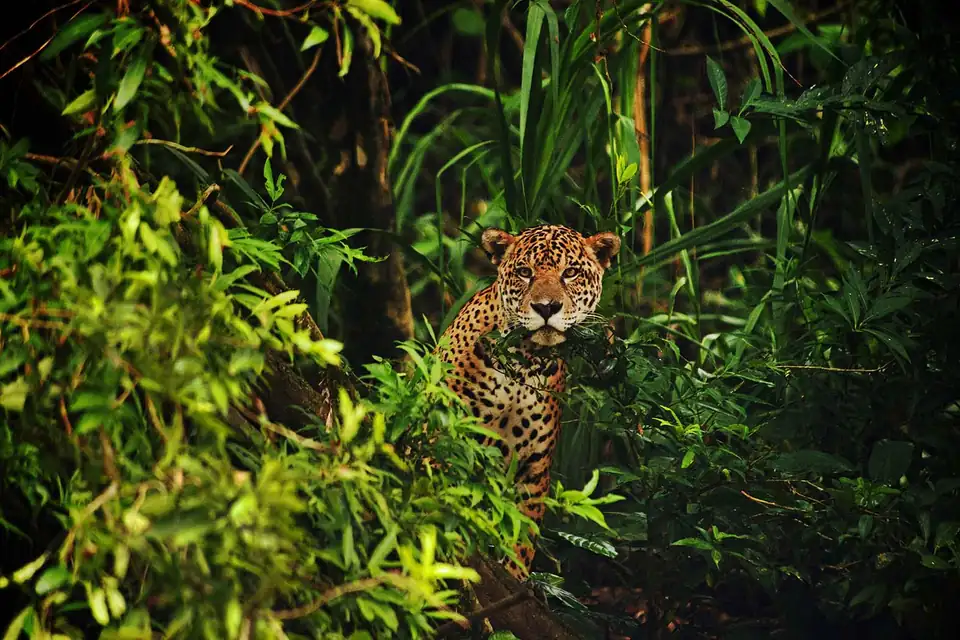
Camera traps record where and when species use the landscape, helping ITA build long-term information on wildlife presence, activity and response to environmental change.
Education · Conservation financing
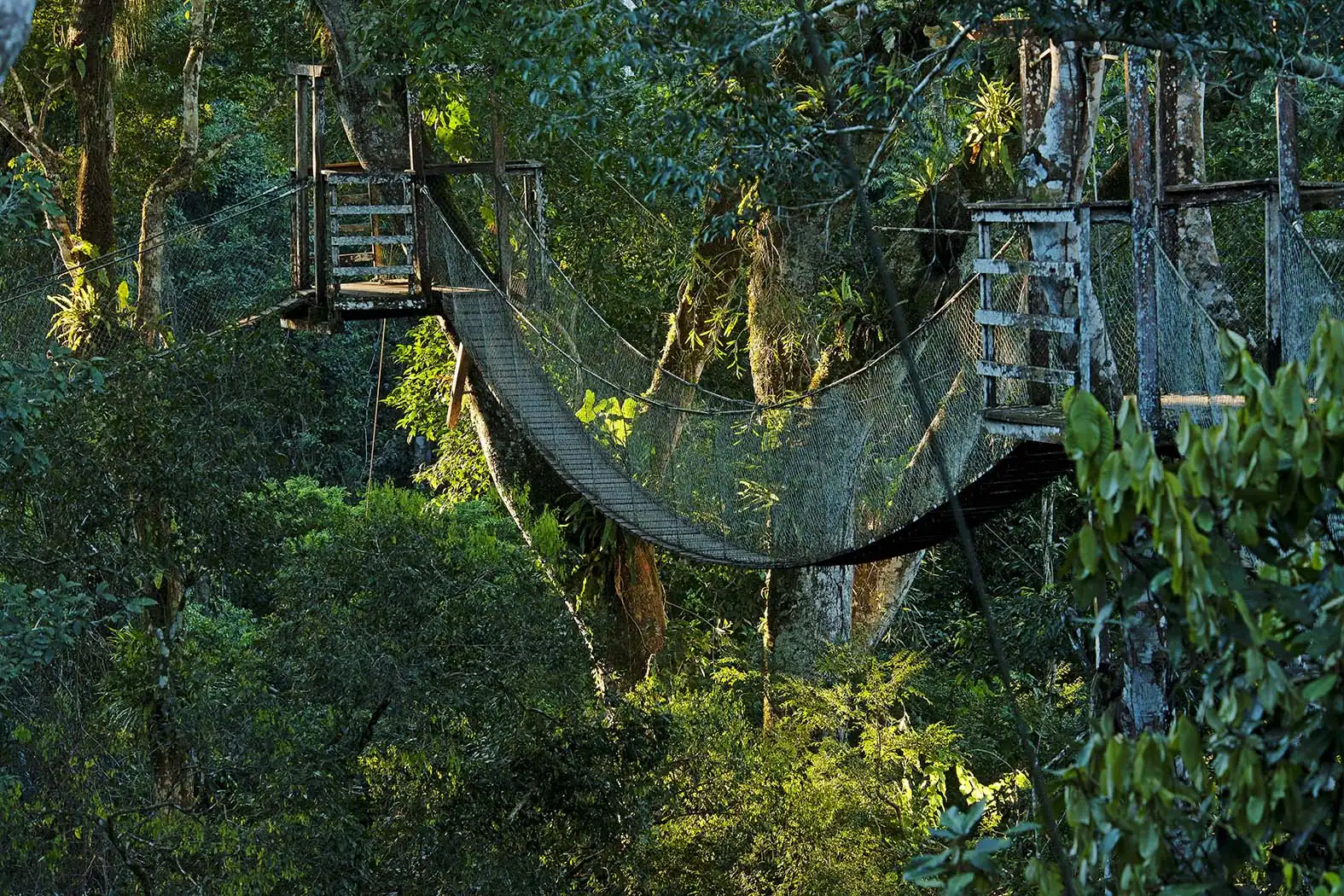
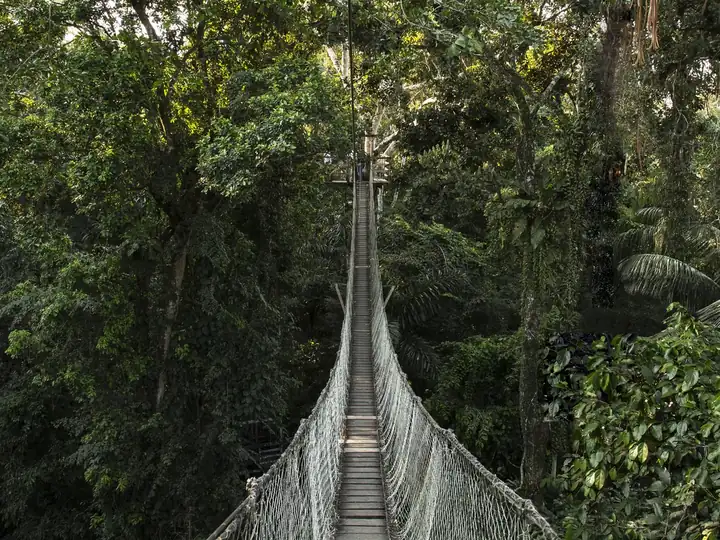
Access to the forest canopy for observation, education and visitor experiences.
Access to the forest canopy for observation, education and visitor experiences, while contributing to ITA’s conservation financing model.
Sustainable use · Education
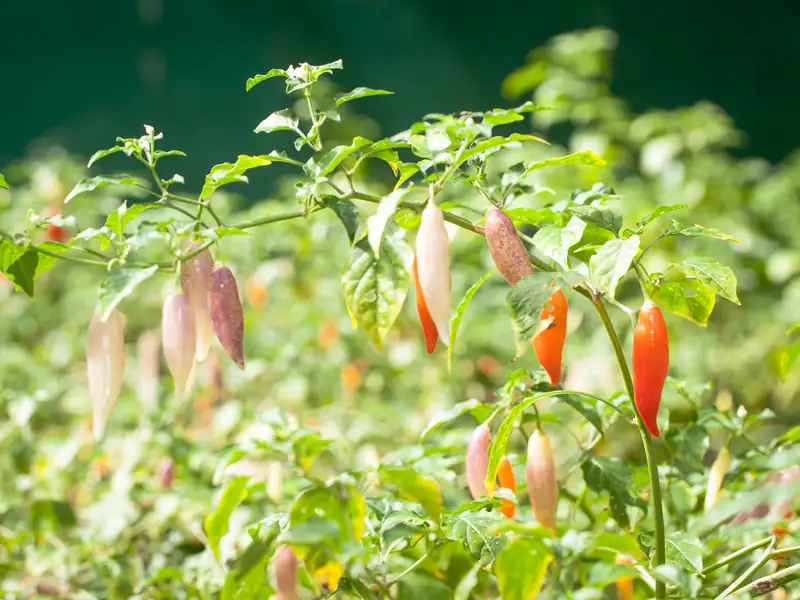
A living collection of useful Amazonian plants and the knowledge associated with them.
The Biohuerto brings together food crops, tubers, medicinal, aromatic and dye plants, peppers and other useful Amazonian species. Much of this knowledge has been maintained and shared by local communities and families.
Restoration
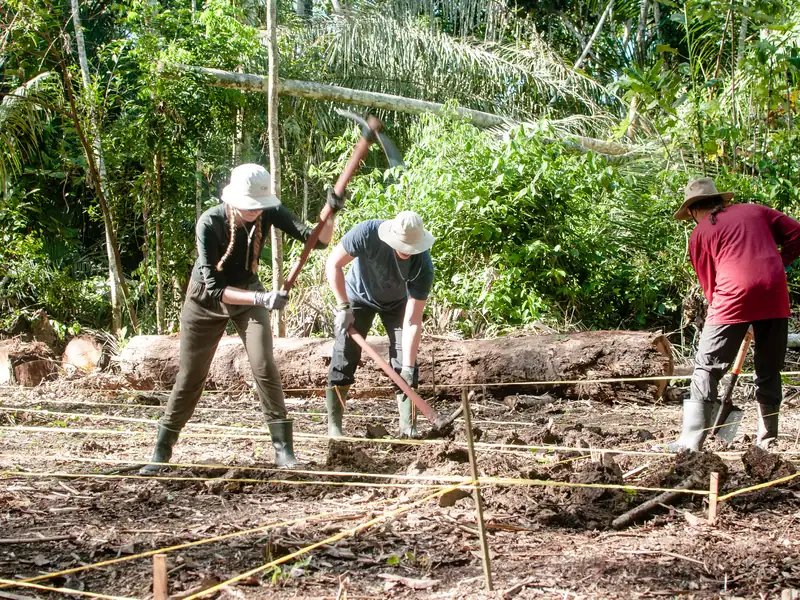
Rebuilding habitat in degraded areas with native forest and fruit species.
ITA works to restore degraded land by combining forest and fruit species that progressively rebuild habitat and create conditions for wildlife to return.
Research · Restoration
Studying microorganisms that could contribute to restoring water affected by gold mining.
The project studies bacteria, yeasts, algae and other microorganisms from mining-affected environments, assessing their response to metals such as mercury and arsenic. The work is still at the research stage and is not yet a proven remediation solution.
Conservation · Education
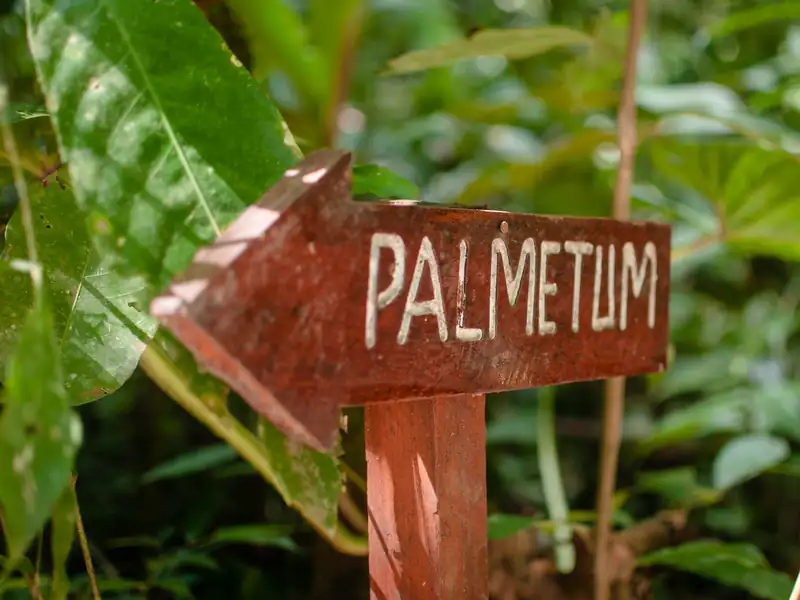
A living collection of Amazonian palms for conservation, research and interpretation.
The Palmetum highlights the ecological and cultural importance of palms and the many ways Amazonian communities have used them for food, fibres, oils, tools, crafts and construction.
Restoration · Sustainable use
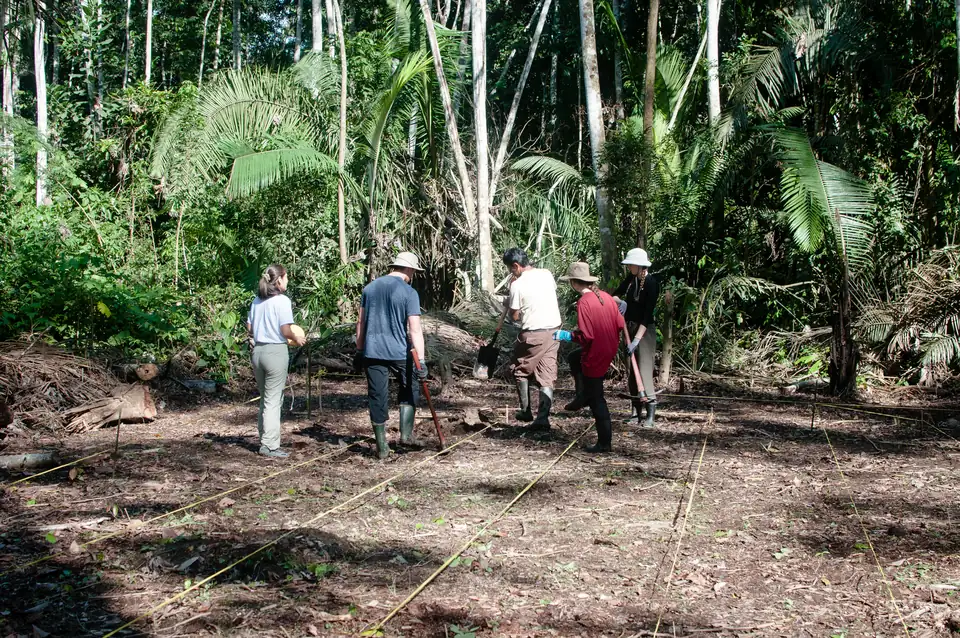
Forest species and crops growing together to create value while maintaining ecological functions.
At Chacra Gamitana, crops, fruit trees, palms and forest species are combined within agroforestry systems that support production, habitat and longer-term landscape recovery.
InkaterraThe fruit pulp supplies Inkaterra hotels.
Conservation · Sustainable use
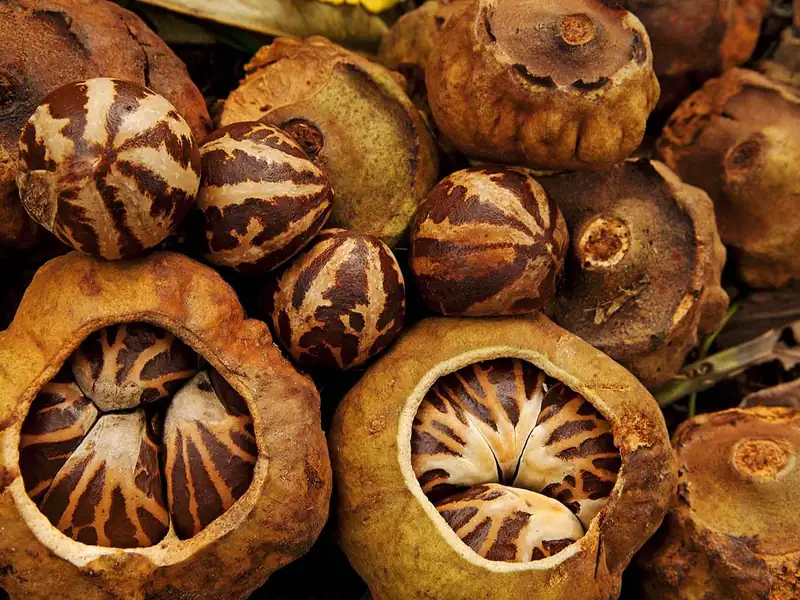
An economy that depends on the forest remaining standing.
Brazil nut harvesting creates value from a living forest. ITA’s work around Lago Valencia connects forest conservation, seasonal harvesting and a productive chain based on maintaining the forest.
InkaterraThe nuts supply Inkaterra hotels.
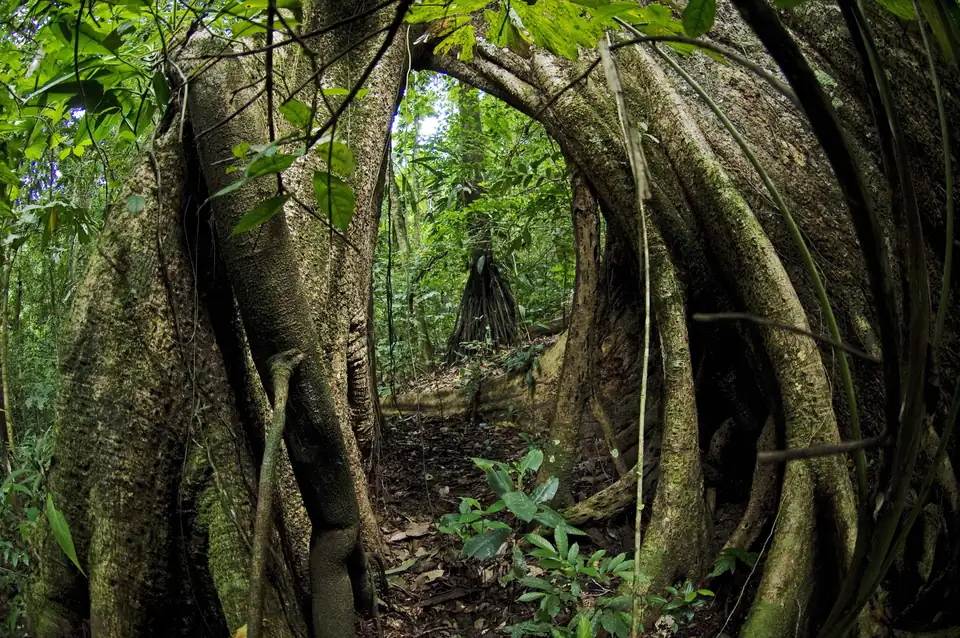
Conservation
Forest areas managed or connected to long-term conservation within the Lower Madre de Dios landscape.
Forest areas managed or connected to long-term conservation within the Lower Madre de Dios landscape.
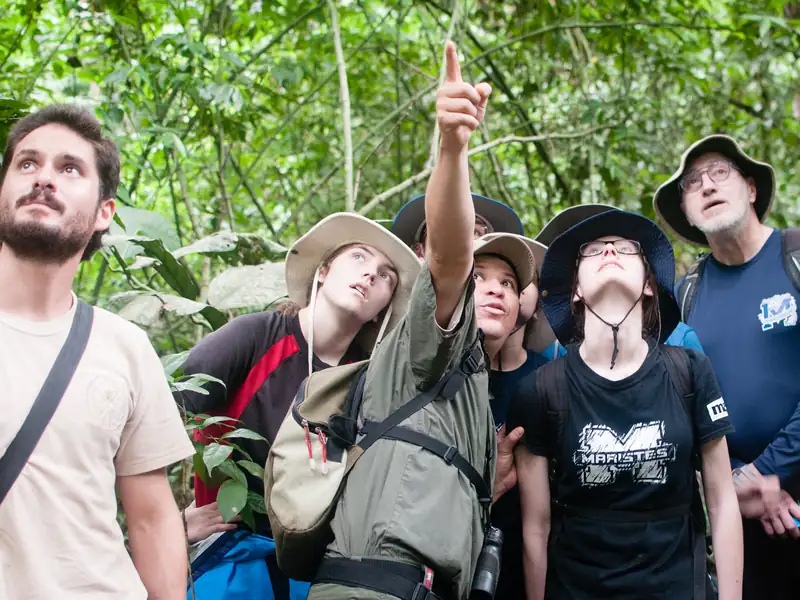
Education
Field-based courses and workshops in the Amazon.
Field-based courses and workshops that connect scientific knowledge with practical experience in the Amazon.
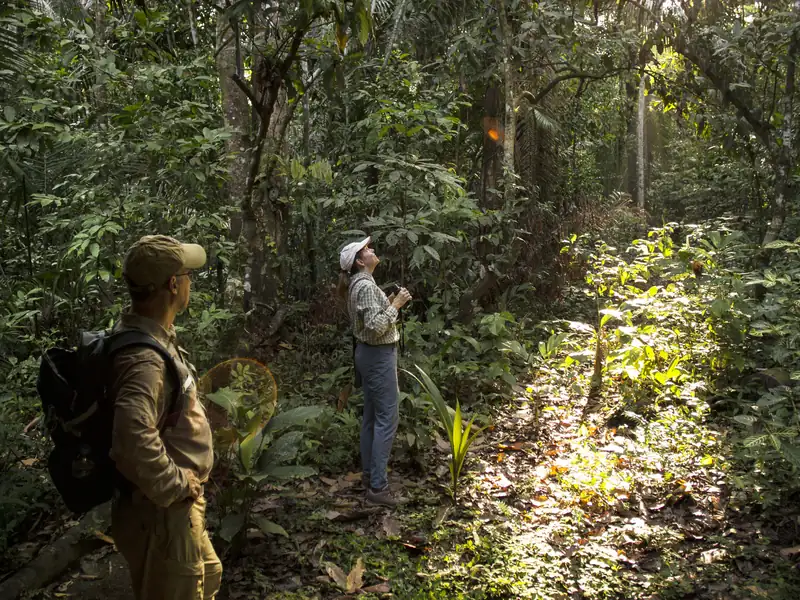
Research
Decades of data on how Amazonian forests grow and change.
Permanent plots established in Reserva Amazónica have generated long-term information on forest growth, composition and carbon dynamics, forming part of a wider history of ecological research in the landscape.
Conservation · Sustainable use
A living collection of Amazonian vanilla species for conservation, research and propagation.
The collection connects conservation, research, propagation and cultivation while exploring future applications for value-added products.
Knowledge from this landscape
Research in Madre de Dios has generated books, inventories, studies and reports that document the biodiversity, ecology and communities of this landscape.
Gallery
Latest from the Amazon
Research updates, project milestones, training activities and new findings from ITA’s work in Madre de Dios.