
Our story
It began with a question: what is this forest worth?
In 1978, José Koechlin invited scientists to Cusco Amazónico, in Tambopata, to find out the natural value of its forest.
Their inventories grew into Inka Terra Asociación (ITA): five decades of research that now shape conservation in Peru’s rainforest, cloud forest and tropical sea.
1975–1989
The first expeditions
-
1975
An ecotourism pioneer in Tambopata
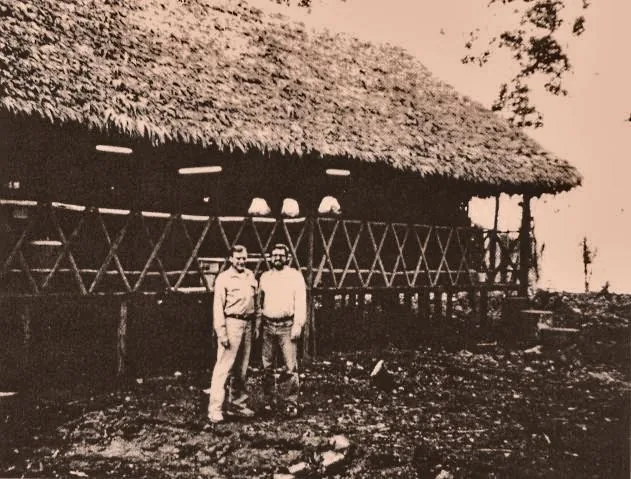
A pioneer of ecotourism and sustainable development, Inkaterra opens the Cusco Amazónico lodge on the Madre de Dios River, today Inkaterra Reserva Amazónica.
1976
Inkaterra surveys the area and identifies nearby Lake Sandoval, then home to a paiche fish-farming program, as an attraction; with César Mejía, it opens the lake to visitors.
1977
Good-neighbor relations begin with the Ese’eja native community of Palma Real, on the lower Madre de Dios River.
-
1978
What is this forest worth?
José Koechlin leads the research effort, inviting scientists from the universities of California, Kansas, Utah and others to assess the natural value of the 200-hectare property.
1978
Dr. Theodore Papenfuss, of the University of California, Berkeley, visits Cusco Amazónico to organize a multidisciplinary research team.
1979
Inkaterra receives 10,000 hectares in usufruct for research and tourism, on the left bank of the lower Madre de Dios River, 15 km from Puerto Maldonado.
1979
Papenfuss and his Berkeley team begin their research and carry out the first Rapid Assessment Program (RAP) on the lower Madre de Dios.
1979
Dr. Avril Fox, of the British Museum of Natural History, studies the area’s invertebrates.
1979
Dr. James Patton and Carol Patton, of the University of California, begin their research at Cusco Amazónico.
1980
Cloud-forest restoration begins on the grounds of Machu Picchu Pueblo Hotel, guided by local knowledge, to bring back vegetation and wildlife habitat.
1981
Papenfuss leads a second multidisciplinary expedition to Cusco Amazónico and its surroundings.
1982
A five-year agreement with the Ministry of Agriculture’s Forestry and Wildlife Directorate supports research on Amazonian biodiversity.
1982
Ministerial Resolution 00260-82-DGFF authorizes Cusco Amazónico to carry out scientific research, including the collection of specimens.
1983
William Duellman, of the University of Kansas, carries out a herpetological survey.
1984
A new University of California expedition, led by Dr. James Patton, continues the biodiversity inventories.
-
1985
Mapping the flora of southern Peru
Botanist Alwyn Gentry of the Missouri Botanical Garden begins studying the flora of the southern Amazon as part of the Flora of Peru project, with Peruvian botanists from San Marcos and San Antonio Abad universities.
1985
Forest restoration begins in Machu Picchu, at km 109–110 of the Cusco–Quillabamba railway, with the native species that grew there before it became pasture.
1986
The BIOTROP team steps up its biodiversity research at Cusco Amazónico, adding to the inventory records.
1989
BIOTROP, the program for the study of tropical biological diversity, gets under way, led by Dr. William Duellman with Harvard University, the Missouri Botanical Garden and San Marcos’s Natural History Museum, funded by the National Geographic Society and CONCYTEC.
-
1989
Measuring carbon, plot by plot
Oliver Phillips of the University of Leeds sets up permanent forest plots at Cusco Amazónico to study carbon capture. They are still monitored today.
1990–2005
From inventories to conservation
1990
An Environmental Department is created to run the research and conservation program and adopt ecotourism best practices, following the Costa Rica model.
1990
A center for conserving native orchids in their own habitat opens at Machu Picchu Pueblo Hotel, led by Dr. Isaías Rolando.
-
1995
A world record for ants
From samples collected at Cusco Amazónico in 1992, E. O. Wilson identifies 362 ant species, as John Tobin reports: then a world record for a single site.
1998
Oliver Phillips’s RAINFOR team finds that the Reserva Amazónica forest captures an average of 200 tonnes of CO₂ per hectare.
1998
The pocket field guide Orchids of Machu Picchu Pueblo Hotel is published with Dr. Isaías Rolando, giving rise to the hotel’s orchid trail.
1999
ITA sponsors a behavioral study of the saddleback tamarin (Saguinus fuscicollis) at Cusco Amazónico, by Israel Aragón of UNSAAC.
2001
Inka Terra Asociación hands over to San Marcos’s Natural History Museum a building for its Department of Ornithology, co-funded with the University of Louisiana’s ornithology department.
-
2001
Protecting the Andean bear
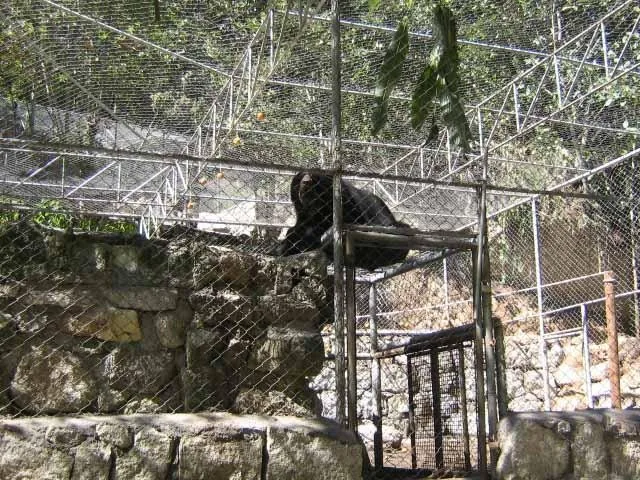
ITA begins its Andean Bear Conservation Program in Machu Picchu, taking in a bear from Suriray, Santa Teresa, entrusted by INRENA.
2001
Inka Terra Perú’s Environmental Department becomes an independent NGO, Inka Terra Asociación (ITA), registered in Madre de Dios and later based in Lima.
2003–2004
The Fauna Forever project, led by Dr. Chris Kirkby, reviews the inventories published by the University of Kansas.
2004
After 15 years of procedures, a 10,000-hectare ecotourism concession is granted in Tambopata, renewing the earlier usufruct.
-
2004
A model for self-financed conservation
The Global Environment Facility (GEF) approves “Inkaterra: An Alliance for the Self-Financing of Biodiversity Conservation and Community Development” in the Inkaterra Ecological Reserve.
2004
Within the GEF project, ITA works with the mixed communities of the lower Madre de Dios on agroforestry, beekeeping, fish farming and reforestation.
-
2004
Casa ITA opens its doors
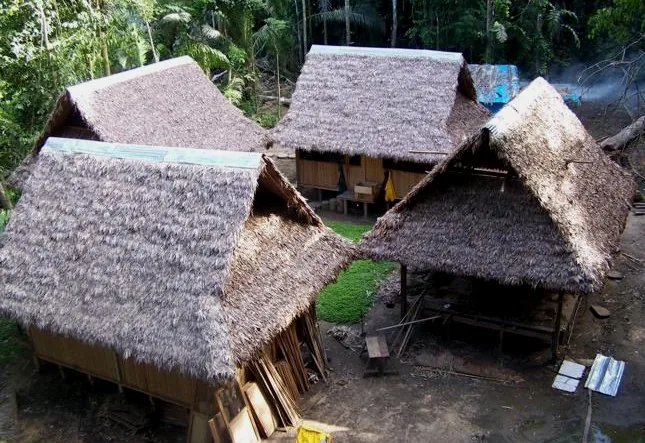
A research center for scientists and volunteers: ITA’s first field station.
-
2004
The Canopy Walkway
Built with a GEF loan to generate self-financing for conservation, the walkway officially opens in 2005.
2004
The album Café Inkaterra is produced with Miki González, reviving Andean music.
-
2005
The lives of amphibians and reptiles
William E. Duellman publishes Cusco Amazónico: The Lives of Amphibians and Reptiles.
2006–2015
From the Amazon to the tropical sea
2006
ITA signs the Amaru Mayo conservation concession.
2007
Two concessions for non-timber forest products (Brazil nuts, palmiche and ungurahui) are granted at Lake Valencia.
-
2007
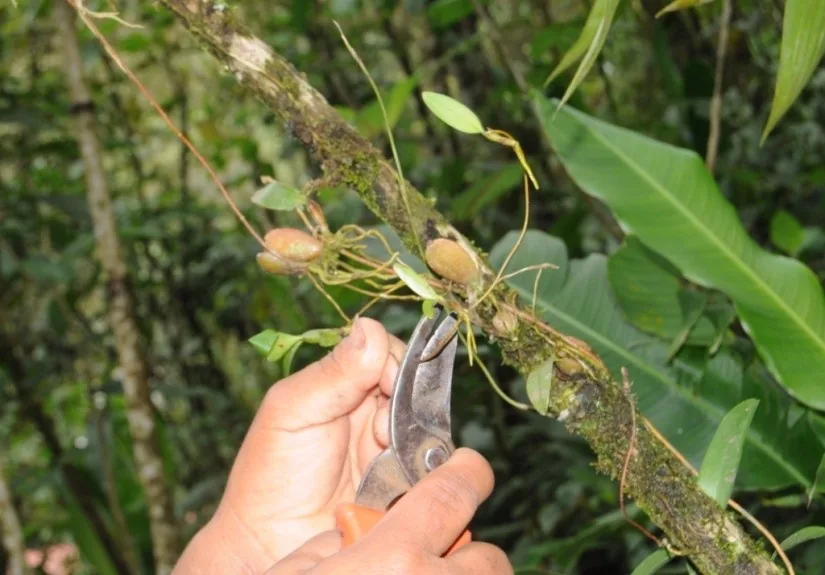
1,266 plant species
With the Missouri Botanical Garden, ITA publishes the Flórula de la Reserva Ecológica Inkaterra, identifying 1,266 vascular plant species.
2009
The album Serenata Inkaterra is produced with Jean Pierre Magnet.
2010
Inka Terra Perú acquires land in Cabo Blanco to build an ecotourism center.
2011
The ITA–Tambopata conservation concession, 417 hectares, is granted in the buffer zone of the Tambopata National Reserve.
-
2011
A marine protected area for Cabo Blanco
ITA drafts the proposal for the Cabo Blanco – Banco de Máncora Marine Protected Area, where two ocean currents meet in Peru’s tropical sea.
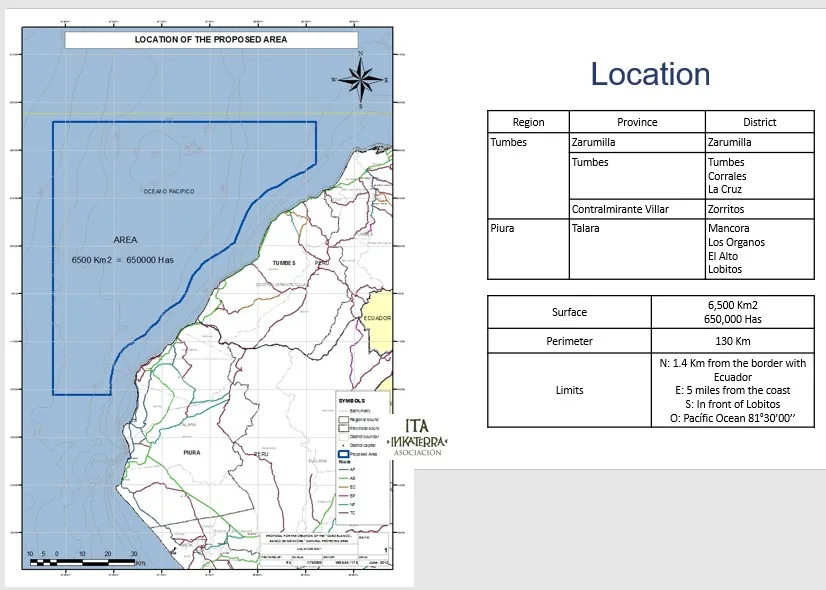
2012
The marine protected area proposal is presented to the Ministry of the Environment.
-
2012
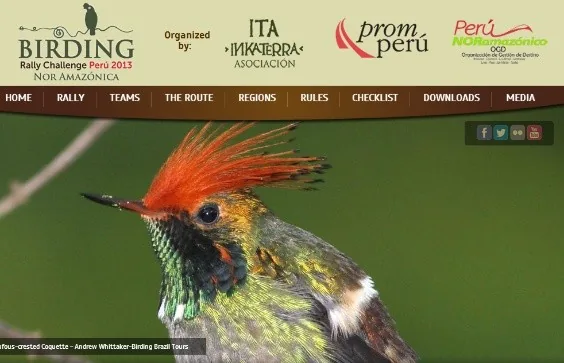
Birding Rally Challenge Peru
The first edition crosses the southern Amazon, from Tambopata to Machu Picchu. In 2013 come a northern route, through Lambayeque, Cajamarca, Amazonas and San Martín, and a second southern edition.
2013
A birdwatching plan for Machu Picchu trains specialized bird guides and helps position the protected area as one of Peru’s main birding destinations.
-
2013
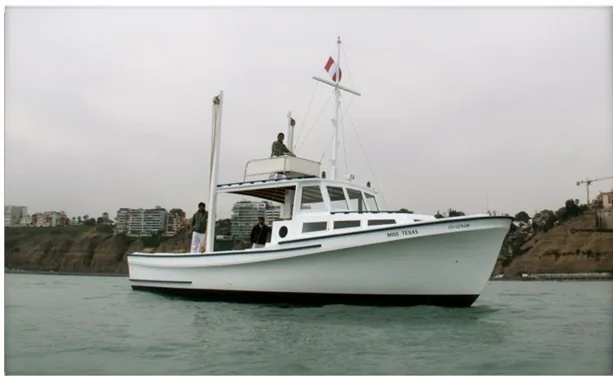
The Miss Texas returns
Inkaterra acquires and restores the Miss Texas, the boat from which the still-unbeaten black marlin world record was caught.
2013
ITA holds the First Conference on Research, Conservation and Development in Peru’s Tropical Sea in Lima, Piura and Cabo Blanco, marking 60 years of the standing sport-fishing world record.
-
2013
Training for Cabo Blanco’s fishers
With CAF’s Andean Biotrade project, artisanal fishers and their families train in fish handling, marketing and processing, sanitary formalization and business management, with ecotourism workshops and technical sessions led by Japanese experts.
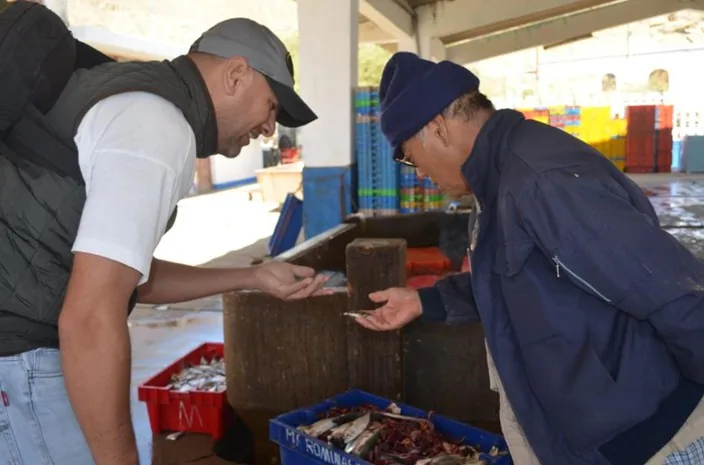
2014
The second northern Amazon edition of the Birding Rally Challenge.
2015
A study improves technological capacities in logistics, promotion and certification for ecological tourism services in Madre de Dios.
-
2015
An alliance with the Smithsonian
ITA begins working with the Smithsonian Institution; the agreement is formalized in 2018.
2016–today
A field station for science
2016
In January, a bird-banding station is set up with CORBIDI.
2016
A pilot project improves the processing of tuna from artisanal fishing, using ozone-infused ice as an ecological preservative.
2016
Japanese experts train Cabo Blanco’s fishers in tuna-processing techniques.
2016
The new Inkaterra Field Station facilities open as a center for research, education and training, with the ITA–Tambopata convention center.
2016
An alliance between ITA, AJE and the Municipality of Machu Picchu manages solid waste in the Historic Sanctuary, reducing the risk of sanctions to its World Heritage status.
2016
In November, collaboration begins with the Cornell Lab of Ornithology, strengthened in 2017 by the visit of its director, Dr. John Fitzpatrick.
2017
An assessment of bird diversity in El Alto, Lobitos and Pariñas (Piedritas, the Pariñas dry forest and Quebrada Ancha) leads to a conservation proposal and action plan.
2017
With the Smithsonian, ITA holds the first international BMAP course on biodiversity monitoring and assessment, for public- and private-sector professionals.
2017
A biodiesel plant begins operating at Inkaterra Machu Picchu Pueblo Hotel.
2017
ITA prepares a proposal for a Sustainable Landscape Corridor in the tropical dry forest.
-
2017–2018
The Amazon Field Station
The Amazon Field Station begins operations.
-
2018
GreenLab
A DNA sequencing laboratory for research opens at the station: the first genetic field laboratory in South America.
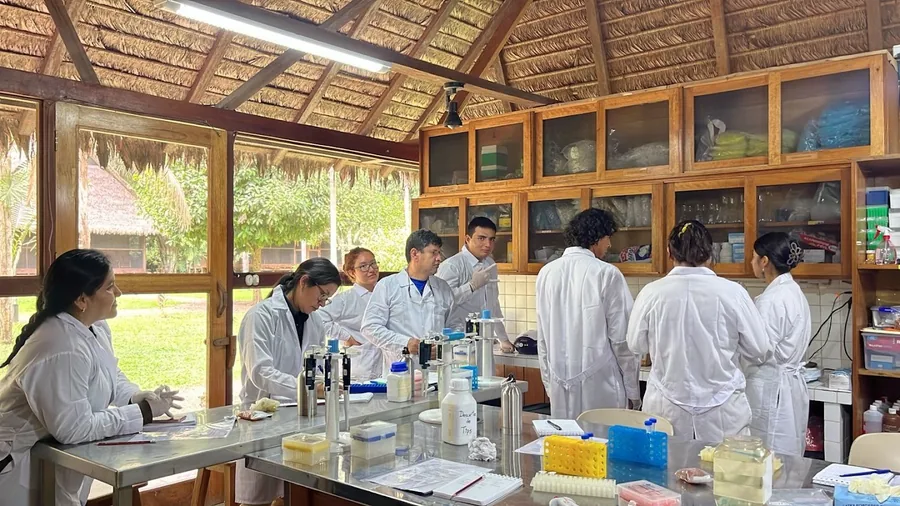
2018
A bioacoustics project records bird species to boost birding tourism in Peru.
-
2018
Native flavors at the station
Chef Virgilio Martínez leads the first gastronomic event at the field station, celebrating native Amazonian species.
-
2018
Andean bear care, with the Smithsonian
ITA and the Smithsonian hold the first course on managing Andean bears in captivity, with SERNANP, at Inkaterra Machu Picchu Pueblo Hotel.
2018
A project to conserve sea turtles on Peru’s north coast, based in Cabo Blanco and El Ñuro.
-
2019
Wild Amazonian fungi
A project to isolate, barcode and cultivate wild Amazonian fungi for the gastronomic market in Tambopata.
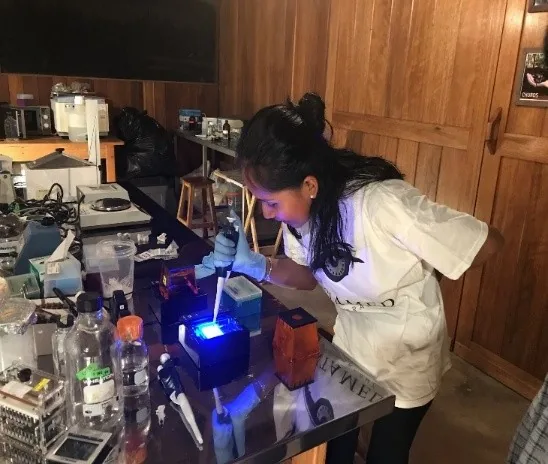
2019
GreenLab hosts a course-workshop on molecular biology in the Amazon.
2019
A sport-fishing model is developed with the Lake Valencia fishers’ association (APELVA), with specialized technical advice.
-
2022
Biodiversity for public officials
Funded by GIZ, a project trains the public officials who evaluate and oversee environmental impact studies.
-
2023
A carbon-neutral Machu Picchu
The Historic Sanctuary of Machu Picchu becomes carbon neutral.
2024
Innovative bioremediation technologies are tested to restore artificial ponds in highly degraded mining areas of Madre de Dios.
2024
A technical and commercial validation of pearl-oyster farming (Pteria sterna) on artificial reefs in Cabo Blanco, Piura.
-
2024
Madre de Dios Sustainable Landscape
With USAID support, ITA launches the Madre de Dios Sustainable Landscape project, a corridor for conservation and sustainable investment.
2026
A project funded by ProInnóvate begins producing freeze-dried Inkaterra tea in Machu Picchu, a new and sustainable alternative.
-
2026
Present
Five decades on, the inventories continue, and so does the question that started it all.